Fashion has always been a powerful form of self-expression, but for Muslim consumers, it’s more than just style—it’s a statement of faith, identity, and values. The global modest fashion industry, valued at $295 billion in 2021, is booming, and luxury brands are finally taking notice. From high-end abayas to designer hijabs, Muslim consumers are reshaping the fashion landscape by demanding elegance that aligns with their beliefs.
But this movement isn’t just about covering up—it’s about redefining what luxury means in a way that respects modesty without compromising on sophistication. Muslim women (and men) are no longer willing to sacrifice their principles for high fashion. Instead, they’re seeking—and creating—brands that merge opulence with ethical and religious considerations.
So, how exactly are Muslim consumers changing the fashion game? And why are luxury brands scrambling to keep up? Let’s dive into the rise of modest luxury fashion and what it means for the future of the industry.
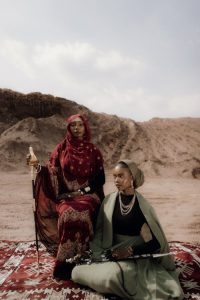
The Rise of Modest Fashion: From Niche to Mainstream
A decade ago, modest fashion was often an afterthought in the global industry. Muslim women had limited options, frequently resorting to layering or tailoring clothes to meet their standards of modesty. But today, the market has exploded, with influencers, designers, and major brands all vying for a piece of the lucrative modest fashion pie.
Social media has played a huge role in this shift. Platforms like Instagram and TikTok have given Muslim fashionistas a global stage to showcase their style, proving that modesty and glamour can coexist. Influencers such as Dina Torkia and Ascia AKF have amassed millions of followers, demonstrating that modest fashion isn’t just a religious obligation—it’s a bold fashion statement.
Luxury brands, once slow to adapt, are now jumping on the trend. Dolce & Gabbana made headlines in 2016 with its first hijab-and-abaya collection, while brands like Oscar de la Renta and Max Mara have featured modest designs in their runway shows. Even high-street retailers like Zara and H&M have introduced modest lines, recognizing the purchasing power of Muslim consumers.
But this isn’t just about big brands cashing in—Muslim-owned luxury labels are leading the charge. Brands like Aab Collection (UK), Dian Pelangi (Indonesia), and Razan Alazzouni (Saudi Arabia) are redefining luxury with high-quality fabrics, intricate designs, and a deep understanding of what modest consumers truly want.
What Makes Modest Luxury Different?
At first glance, one might assume modest fashion is simply about loose cuts and full coverage. But for discerning Muslim consumers, true luxury modest wear goes far beyond that—it’s about craftsmanship, exclusivity, and ethical production.
1. Quality Over Quantity
Fast fashion’s “buy-and-dispose” model clashes with Islamic values of sustainability and mindful consumption. Muslim luxury shoppers often prefer investing in timeless, well-made pieces rather than chasing fleeting trends. This shift has given rise to slow fashion brands that prioritize durability and artisanal techniques.
2. Ethical and Halal-Certified Fashion
For many Muslim consumers, luxury isn’t just about the price tag—it’s about integrity. They want assurance that their clothes weren’t made in sweatshops, use ethical fabrics, and, in some cases, are even halal-certified (free from animal-derived materials like silk obtained through harmful processes).
3. Cultural Fusion Without Appropriation
Modest luxury fashion often blends traditional Islamic aesthetics with contemporary design. Think embroidered abayas inspired by Ottoman art, or modern kaftans with bold, minimalist cuts. The key difference between appreciation and appropriation? Muslim designers are at the forefront, ensuring cultural elements are respected, not exploited.
4. Inclusivity in High Fashion
For years, the fashion industry excluded Muslim women from its definition of beauty. Now, luxury modest brands are challenging that by featuring diverse models, from hijabi supermodels like Halima Aden to curvy influencers like Nura Afia. This inclusivity is reshaping beauty standards in high fashion.
The Challenges and Controversies in Modest Luxury Fashion
Despite its rapid growth, the modest luxury sector faces its own set of challenges. One major issue is tokenism—some brands add a single hijab or abaya to their collection for “diversity points” without genuinely understanding or respecting the market. Muslim consumers are quick to spot inauthenticity, and brands that treat modesty as a trend rather than a lifestyle risk backlash.
Another debate revolves around pricing. While luxury modest fashion is inherently exclusive, some argue that exorbitant prices alienate everyday Muslim women who want quality without the designer markup. This has led to a rise in “affordable luxury” brands that balance premium quality with accessibility.
There’s also the question of modesty standards—what one Muslim consumer considers modest, another might not. Some prefer flowing abayas, while others opt for tailored suits or oversized blazers. This diversity means brands must navigate varying expectations without diluting their identity.
Perhaps the biggest challenge is sustainability. The fashion industry is one of the world’s biggest polluters, and Muslim consumers are increasingly demanding eco-friendly options. Brands that can combine modesty, luxury, and sustainability will dominate the future market.
The Future of Modest Luxury Fashion
As Muslim spending power grows (projected to reach $3.2 trillion by 2024), the influence of modest luxury fashion will only expand. Here’s what we can expect in the coming years:
1. Tech-Integrated Modest Fashion
From AI-powered styling apps for hijabis to virtual try-ons for abayas, technology will make modest fashion more accessible. Some brands are even experimenting with smart fabrics that adjust for temperature—perfect for women in hot climates who still want full coverage.
2. More Muslim Designers in High Fashion
The success of designers like Roksanda Ilincic (Bosnian-born) and Burooj Mahjoub (Libyan-Swedish) proves that Muslim creatives are reshaping luxury fashion from within. Expect more Muslim-led brands on Paris and Milan runways.
3. Sustainable Modest Fashion Will Take Center Stage
Eco-conscious Muslim consumers are pushing for biodegradable fabrics, zero-waste production, and circular fashion models. Brands like Haute Hijab (USA) and Under-Rāpt (UK) are already leading this movement.
4. Modest Menswear Will Grow
While much of the focus has been on women’s fashion, modest luxury menswear is gaining traction. Think tailored thobes, premium Islamic streetwear, and modest activewear for men who want both style and faith alignment.
Final Thoughts: Modesty as the New Luxury
The rise of modest luxury fashion isn’t just a trend—it’s a cultural shift. Muslim consumers are proving that elegance doesn’t require compromising values, and the fashion industry is finally listening.
For brands, the message is clear: Muslim shoppers want more than just clothing. They want storytelling, authenticity, and respect. Those who embrace this demand won’t just tap into a lucrative market—they’ll help redefine what luxury means in the 21st century.
What do you think about the future of modest luxury fashion? Are there any brands you love that merge faith and high fashion seamlessly? Share your thoughts below!