In a world where fashion trends change faster than the seasons, one movement has been steadily gaining global influence—Islamic fashion. Far from the outdated stereotypes of plain, shapeless garments, today’s modest fashion is vibrant, innovative, and unapologetically stylish. From haute couture runways in Paris to streetwear brands in Jakarta, Muslim designers and influencers are redefining what it means to dress modestly while staying fiercely fashionable.
But how did Islamic fashion evolve from traditional robes to a booming global industry? Who are the trailblazers shaping this movement? And how are modern Muslim women (and men!) blending faith, culture, and personal style in ways that challenge mainstream fashion norms?
This deep dive explores the past, present, and future of Islamic fashion—where centuries-old traditions meet cutting-edge trends, and where modesty isn’t a limitation, but a canvas for creativity.
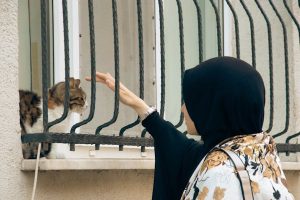
The Roots of Modest Fashion: More Than Just Clothing
Islamic fashion didn’t start with Instagram influencers or luxury brands—it has deep cultural and religious roots. The Quran emphasizes modesty for both men and women, encouraging loose, non-revealing clothing as an expression of faith and dignity. But beyond religious guidelines, traditional Islamic attire has always been shaped by geography, climate, and local craftsmanship.
Take the abaya, for example. In the scorching deserts of the Arabian Peninsula, its flowing black fabric provided protection from the sun while allowing air circulation. In Southeast Asia, the baju kurung and kebaya incorporated vibrant batik prints, reflecting the region’s artistic heritage. Meanwhile, Ottoman-era fashion featured intricate embroidery and luxurious fabrics, signaling status and identity.
What’s fascinating is how these garments were never static. They evolved with trade, migration, and cultural exchange. Silk Road merchants introduced new textiles, Mughal rulers brought ornate embellishments, and European colonialism later influenced cuts and silhouettes. Modest fashion, even in its earliest forms, was always adapting.
Today, this historical blend of function, faith, and artistry continues to inspire. Designers are revisiting vintage techniques—handwoven fabrics, natural dyes, artisanal embroidery—and giving them a contemporary twist. The result? Modest fashion that honors tradition while embracing modernity.
The Modest Fashion Boom: From Niche to Global Phenomenon
If there’s one thing that proves Islamic fashion has gone mainstream, it’s the numbers. The global modest fashion market is projected to reach $402 billion by 2024, with Muslim and non-Muslim consumers alike driving demand. Major retailers like Uniqlo, Mango, and Nike now offer modest collections, while luxury brands like Dolce & Gabbana and Chanel have featured hijab-wearing models on their runways.
Social media has played a huge role in this shift. Influencers like Dina Torkia, Hoda Katebi, and Sofia Khan have built massive followings by showcasing how to style hijabs, abayas, and modest outfits in fresh, trendy ways. Platforms like Instagram and TikTok have turned modest fashion into a visual movement, where creativity thrives.
But it’s not just about aesthetics—this boom also reflects a cultural shift. Young Muslim women, especially in Western countries, are reclaiming their identity through fashion. They’re rejecting the idea that modesty means being invisible or outdated. Instead, they’re pairing hijabs with sneakers, layering oversized blazers over maxi dresses, and experimenting with bold prints and textures.
The industry is also becoming more inclusive. Modest fashion weeks in London, Dubai, and Jakarta now showcase diverse models—plus-size, disabled, and LGBTQ+ Muslim voices are gaining visibility. This expansion challenges the stereotype that modest dressing is monolithic, proving that it can be as unique as the person wearing it.
Trailblazers & Trends: Who’s Shaping the Future?
Let’s talk about the designers and brands revolutionizing Islamic fashion.
-
Anniesa Hasibuan made history as the first designer to send hijab-wearing models down the runway at New York Fashion Week in 2016. Her collections blend Indonesian heritage with modern glamour, featuring intricate beadwork and luxurious silks.
-
The modest streetwear movement is another game-changer. Brands like Modanisa and Haute Hijab offer sporty, urban looks—think hoodies with built-in niqabs, cargo skirts, and athleisure hijabs.
-
Sustainability is also entering the scene. Designers like Barjis Chohan use eco-friendly fabrics and zero-waste patterns, proving that ethical fashion and modesty can go hand in hand.
Then there’s the rise of digital fashion. Virtual hijabs and augmented reality try-ons are making waves, allowing women to experiment with styles before buying. Apps like Hijup offer AI-powered styling advice, while 3D-printed accessories are pushing boundaries in wearable tech.
But perhaps the most exciting trend is gender-fluid modest fashion. Muslim men are increasingly embracing modest styles—flowing robes, tailored kaftans, and modest activewear—breaking the notion that modesty is solely a women’s concern.
Challenges & Controversies: Who Gets to Define Modest Fashion?
Despite its growth, Islamic fashion isn’t without debates.
One major issue is commercialization. As big brands cash in on the trend, some worry that the spiritual essence of modesty is being diluted. Is a $500 designer abaya truly accessible to everyday Muslims? Or does it turn modesty into a luxury commodity?
There’s also the cultural appropriation debate. When non-Muslim brands profit from hijabs or Islamic-inspired designs without engaging Muslim communities, it raises questions about authenticity and respect.
Another hot topic? Modesty policing. Even within Muslim circles, opinions vary on what counts as “proper” Islamic dress. Some argue for strict interpretations, while others believe modesty is subjective and personal. The rise of “modest fashion influencers” who push boundaries—like wearing bold makeup or form-fitting abayas—sparks discussions on where the line should be drawn.
These debates show that Islamic fashion isn’t just about clothes—it’s about identity, autonomy, and who gets to define tradition in a rapidly changing world.
The Future: What’s Next for Islamic Fashion?
So, where does Islamic fashion go from here?
-
Tech-integrated clothing—like temperature-regulating fabrics for hijabs or smart abayas with UV protection—could redefine functionality.
-
Virtual fashion shows and NFT-based designs might make modest fashion more accessible globally.
-
More men’s modest collections could challenge gender norms and expand the market.
-
Slow fashion movements may push the industry toward sustainability, with a focus on handmade, durable pieces.
Ultimately, the future of Islamic fashion lies in its ability to balance tradition and innovation—respecting its roots while fearlessly evolving.
Final Thoughts: Modesty as Empowerment
Islamic fashion is no longer just a niche—it’s a global statement. It’s about women (and men) expressing faith, culture, and individuality without compromise. Whether through a hand-embroidered khimar, a streetwear-inspired hijab, or a futuristic smart abaya, this movement proves that modesty isn’t about hiding—it’s about celebrating identity on your own terms.
What’s your take? Do you have a favorite modest fashion brand or trend? Share your thoughts—I’d love to hear how you see this vibrant industry evolving!