Islamic calligraphy is more than just beautiful writing—it’s a sacred art form that has carried the words of the Quran, poetry, and profound wisdom across centuries. From the intricate curves of Arabic letters adorning ancient mosques to contemporary digital designs gracing social media, Islamic calligraphy remains a living bridge between tradition and modernity. But how did this art evolve? And how do today’s artists keep it alive while pushing creative boundaries?
In this deep dive, we’ll explore the rich history of Islamic calligraphy, its spiritual significance, and how modern artists are reimagining it for the 21st century. Whether you’re an art lover, a history buff, or simply curious about this mesmerizing craft, prepare to be enchanted by the strokes of a pen that have shaped civilizations.
The Sacred Origins: How Calligraphy Became the Voice of Islam
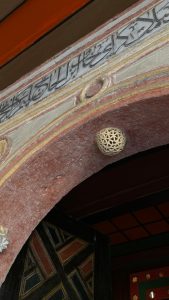
Calligraphy in Islamic culture didn’t start as mere decoration—it was born out of necessity and devotion. In the early days of Islam, the Quran was transmitted orally, but as the faith spread, preserving the divine words in written form became essential. Since Islam discourages figurative imagery in sacred contexts, calligraphy emerged as the primary visual expression of faith.
The first scripts were functional, designed for clarity in copying the Quran. But over time, scribes began refining their strokes, turning writing into an art form. Kufic, one of the oldest scripts, is angular and bold, often seen in early Quranic manuscripts and architectural inscriptions. Meanwhile, Naskh, with its flowing curves, became the standard for everyday writing and later, printed texts.
What’s fascinating is how calligraphy wasn’t just about aesthetics—it was a spiritual practice. Master calligraphers would purify themselves before writing Quranic verses, treating each stroke as an act of worship. This reverence elevated calligraphy beyond penmanship, embedding it into the soul of Islamic culture.
Even today, traditional calligraphers follow centuries-old techniques, grinding their own ink, hand-cutting reed pens (qalams), and mastering the precise proportions of each letter. The discipline required is immense, often taking decades to perfect. This deep connection to heritage is why classical calligraphy remains timeless, a direct link to the past that still breathes with life.
The Golden Age: Calligraphy as a Cultural Powerhouse
If there was a golden era for Islamic calligraphy, it flourished under the Abbasid Caliphate and later, the Ottoman Empire. Baghdad became a hub of learning, where calligraphers refined scripts and developed new styles. The Ottomans, in particular, took calligraphy to breathtaking heights, with masters like Sheikh Hamdullah and Hafiz Osman setting standards that are still followed today.
One of the most iconic Ottoman contributions was the Thuluth script—a majestic, ornamental style used in mosque domes and royal decrees. Its grandeur wasn’t just for show; it symbolized divine authority. Meanwhile, in Persia, artists blended calligraphy with intricate floral patterns, creating illuminated manuscripts that were as much visual poetry as they were religious texts.
Beyond religious texts, calligraphy adorned everything—coins, textiles, pottery, and even weapons. Sultans and scholars alike prized beautifully penned works, turning calligraphers into revered figures. The famous Persian poet Rumi once said, “The pen is the interpreter of the heart,” and indeed, calligraphy became the heartbeat of Islamic civilization, merging art, faith, and intellect.
Yet, this golden age wasn’t just about the past—it laid the foundation for future innovations. The Ottomans’ meticulous attention to proportion and balance influenced modern typography, while Persian calligraphers’ fluidity inspired abstract art movements. The legacy of these masters proves that calligraphy was never static; it was always evolving, adapting, and inspiring.
Modern Masters: When Tradition Meets Innovation
Fast-forward to the 21st century, and Islamic calligraphy is experiencing a renaissance—but with a twist. Contemporary artists are blending classical techniques with digital media, street art, and even 3D installations. Calligraphers like El Seed, a French-Tunisian artist, fuse Arabic script with graffiti, creating massive murals that speak to unity and social change. His work in Cairo’s Manshiyat Nasr district, known as “Perception,” plays with optical illusions, proving that calligraphy can be both ancient and avant-garde.
Then there’s the digital revolution. Apps like Procreate and Adobe Illustrator have given calligraphers new tools to experiment with. Artists like Soraya Syed use these platforms to design dynamic pieces that retain traditional elegance while embracing modern aesthetics. Social media has also democratized calligraphy—Instagram and TikTok are filled with time-lapse videos of artists crafting stunning pieces, making the art form accessible to millions.
But innovation doesn’t mean abandoning tradition. Many modern calligraphers still train under master teachers, learning the same methods used centuries ago. The difference? They’re applying these skills in unexpected ways—designing logos, fashion, and even virtual reality experiences. Dubai’s “Hurufiyya” movement, for example, merges calligraphy with abstract expressionism, proving that Arabic script can be endlessly reinterpreted.
This fusion of old and new raises an exciting question: What’s next for Islamic calligraphy? As technology advances, we might see AI-assisted calligraphy or interactive installations where viewers manipulate digital strokes in real-time. Yet, no matter how futuristic it gets, the soul of calligraphy—its connection to language, spirituality, and beauty—will always remain.
Why Calligraphy Still Matters in a Digital World
In an age of emojis and quick texts, why does handcrafted calligraphy still captivate us? The answer lies in its humanity. Unlike typed fonts, each calligraphic piece carries the artist’s breath, pressure, and emotion. A single curve can express patience, passion, or prayer. This tactile quality is irreplaceable—a reminder that art isn’t just about the final product but the process behind it.
Calligraphy also serves as a cultural anchor. For many Muslims, seeing Quranic verses beautifully rendered is a spiritual experience, a visual echo of recitation. For non-Muslims, it’s a gateway to understanding Islamic art’s depth beyond stereotypes. In a world where cultures often clash, calligraphy becomes a silent diplomat, speaking a universal language of beauty.
Moreover, calligraphy’s adaptability ensures its survival. From corporate branding (think Al Jazeera’s iconic logo) to tattoo artistry, Arabic script’s elegance transcends borders. Artists like Lina Alorabi blend calligraphy with pop culture, painting verses on sneakers or skateboards, making tradition feel fresh and relevant.
Ultimately, Islamic calligraphy endures because it’s more than art—it’s a living conversation between past and present. Whether in a centuries-old manuscript or a viral Instagram post, each stroke whispers the same truth: beauty is eternal, and creativity knows no limits.
Final Thoughts: A Timeless Art for Tomorrow’s World
Islamic calligraphy is a testament to the power of words—how they can be carved, inked, or pixelated yet still carry divine and human essence. From its sacred beginnings to its modern reinventions, this art form refuses to fade. Instead, it evolves, inviting each generation to add their voice to its story.
So the next time you see a calligraphic masterpiece—whether in a museum, a mosque, or on your phone—pause for a moment. Appreciate the centuries of mastery behind it, and imagine the hands, past and present, that brought it to life. Because in every letter, there’s history, faith, and an unbroken chain of artists saying, “This is our heritage, and this is our future.”
Would you try your hand at calligraphy? Or do you have a favorite modern calligrapher? Share your thoughts in the comments—I’d love to keep this conversation flowing!