For centuries, Islamic civilization has been a pioneer in sustainable living—long before “eco-friendly” became a global trend. From water conservation systems in ancient Andalusia to zero-waste urban planning in Ottoman cities, Islamic traditions have always emphasized harmony between humanity and nature. But in today’s climate crisis, how much of this wisdom is being revived? And what can the modern world learn from Islam’s deep-rooted environmental ethics?
This exploration dives into the green principles embedded in Islamic teachings, historical innovations in sustainability, and how contemporary Muslim communities are leading eco-conscious movements worldwide. Whether you’re an environmentalist, a history enthusiast, or simply curious about faith-based sustainability, you’ll discover how Islamic culture bridges timeless tradition with urgent planetary solutions.
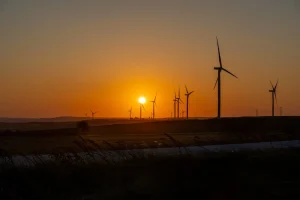
Green Foundations: Environmental Ethics in Islamic Teachings
At the heart of Islamic sustainability lies a profound theological principle: Khalifa (stewardship). The Quran (6:165) declares humans as caretakers of Earth, entrusted to protect its balance. Wastefulness (israf) is condemned, while conservation is praised—a directive echoed in Prophet Muhammad’s (PBUH) practices, from planting trees to forbidding water waste even near flowing rivers.
Key concepts shaping Islamic environmentalism include:
-
Mizan (Balance): The Quran’s repeated emphasis on cosmic equilibrium (55:7-9) inspires eco-consciousness.
-
Hima (Protected Zones): An early form of wildlife reserves, dating to the Prophet’s designation of sacred sanctuaries where overgrazing and deforestation were banned.
-
Barakah (Blessed Abundance): The idea that resources used ethically yield greater spiritual and material benefits.
These aren’t abstract ideals—they translated into action. Medieval Muslim agronomists like Ibn Bassal pioneered crop rotation, while hospitals in Damascus recycled water via aqueduct systems. Such practices reflected an understanding that sustainability was both a duty and a divine covenant.
Historical Marvels: Islamic Civilization’s Eco-Innovations
Long before LEED certification, Islamic architects and engineers designed sustainability into cities:
1. Water Wisdom
-
Qanats: Ancient Persia’s underground aqueducts (adopted across the Muslim world) transported water without evaporation, sustaining cities like Cairo and Granada.
-
Ablution Stations: Mosques used gravity-fed fountains with precise water measurements to minimize waste during ritual cleansing.
2. Zero-Waste Urbanism
-
Souk Systems: Traditional bazaars featured shared cooling courtyards and passive ventilation, reducing energy needs.
-
Closed-Loop Recycling: Ottoman Istanbul’s sukhtiyan (waste collectors) repurposed organic waste into fertilizer and paper.
3. Agricultural Genius
-
Andalusi Orchards: Spain’s almunias (Islamic gardens) combined edible landscapes with rainwater harvesting.
-
Waqf Forests: Endowments protected woodlands for community use, preventing overexploitation.
These innovations weren’t just practical—they embodied tawhid (unity), viewing nature as an interconnected system to be nurtured.
Modern Revival: Muslim-Led Sustainability Movements
Today, Islamic environmentalism is resurging through faith-based activism and policy:
Green Mosques Initiative
-
Solar-Powered Minarets: Morocco’s King Hassan II Mosque runs partially on renewable energy.
-
Eco-Masjids: Indonesia’s Masjid Eco-Pesantren teaches composting and urban farming.
Islamic Finance for the Planet
-
Green Sukuk: Malaysia and UAE issue Sharia-compliant bonds funding renewable energy projects.
-
Halal Sustainability Standards: Brands like One Earth Halal certify products meeting ethical sourcing and low-carbon footprints.
Grassroots Leadership
-
Green Muslims (USA): Hosts eco-iftars with plant-based meals and zero-waste practices.
-
Islamic Relief’s Climate Campaigns: Advocates for climate justice as a religious obligation.
Notably, the 2015 Islamic Declaration on Climate Change—signed by scholars from 20 countries—called for fossil fuel phaseouts, framing environmentalism as fard kifaya (a collective duty).
Challenges & Debates
Despite progress, tensions exist:
-
Consumerism vs. Moderation: Can Muslim-majority nations reconcile booming consumption with Quranic anti-waste values?
-
Oil Economies: Gulf states face criticism for slow renewable transitions despite historical sustainability legacies.
-
Cultural Barriers: Some communities still view eco-activism as “Western,” neglecting indigenous Islamic green traditions.
Yet, voices like Sheikh Ali Gomaa (Egypt’s former Grand Mufti) argue that “true Islam cannot coexist with environmental destruction.”
The Future: An Ummah for the Planet
Potential pathways for Islamic sustainability include:
-
Eco-Fiqh: Expanding fatwas to mandate recycling, carbon offsetting, and veganism as Sunnah.
-
Urban Revival: Adapting hima zones into city green belts and rewilding projects.
-
Youth Mobilization: Apps like Ummah for Earth gamify eco-actions with faith-based rewards.
As climate scientist Dr. Iyad Abumoghli (UN Environment Programme) notes, “Islamic ecology isn’t nostalgia—it’s a roadmap for survival.”
Final Reflection: Returning to the Roots
Islamic sustainability offers something rare: a framework where environmentalism is sacred, not secular. By reviving khalifa ethics, Muslim communities can lead a planetary tazkiyah (purification)—proving that faith and ecology aren’t just compatible, but inseparable.
What’s your take? Have you encountered faith-based sustainability projects? Share examples below—let’s grow this conversation!